-
Cardio Equipment
- Cardio Equipment
-
Weight Plates, Barbells & Kettlebells
- Weight Plates, Barbells & Kettlebells
-
Rehabilitation & Physiotherapy Equipment
- Rehabilitation & Physiotherapy Equipment
-
Gym Flooring
- Gym Flooring
-
HYROX Training Equipment
- HYROX Training Equipment
-
REP Fitness
- REP Fitness
On a weight-loss injection? how strength training helps you keep your muscle
Weight-loss injections have arrived in a big way in India. Since generic semaglutide launched in March 2026, monthly sales have risen several times over, and many more people are starting treatment with their doctors. These medicines can help people lose a lot of weight. But one part of the story does not get enough attention: what happens to your muscle.
At Afton we have spent 30 years helping people train at home and in gyms. This guide explains, in plain language, why strength training matters so much while you lose weight, and how to set up a simple routine that works. It is not medical advice. Please speak with your doctor before you start any new exercise plan, especially if you are on medication.
Why muscle matters when the scale is dropping
When you lose weight, you do not only lose fat. You also lose some lean mass, which includes muscle. In the STEP 1 trial of semaglutide, a smaller group of participants had body composition scans, and close to 40% of the weight they lost was lean mass, with the rest fat. Other trials of similar medicines show different numbers, but the message is the same: a real share of the weight lost can be lean tissue.
Muscle does far more than make you look toned. It helps you climb stairs, carry shopping, get up from a chair and keep your balance. It supports your joints and helps your body manage blood sugar. Losing too much of it can leave you lighter but weaker, and that is not the goal.
What the experts recommend
A 2025 joint advisory on nutrition and exercise for people using these medicines, published in the journal Obesity, gives a clear starting point:
- Strength training at least three times a week. This is the main signal that tells your body to hold on to muscle.
- About 150 minutes of moderate aerobic activity each week. Brisk walking, cycling or easy rowing all count.
- Enough protein. Your doctor or dietitian can set the right amount for you, especially if you have kidney problems.
- Start gently. Beginners should build up slowly and check with a doctor first.
A simple strength routine you can do at home
You do not need a big gym. Three sessions a week of 30 to 40 minutes is enough to start. Choose one exercise for each movement pattern, do 2 to 3 sets of 8 to 12 controlled reps, and add a little weight when the last reps start to feel easy.
1. Squat or sit-to-stand
Start by sitting down to a chair or bench and standing up. Hold a dumbbell or kettlebell at your chest when that gets easy. This trains the thighs and hips, the muscles that matter most for everyday strength.
2. Push
Wall push-ups, incline push-ups on a sturdy bench, or a dumbbell press lying on a bench. A good adjustable bench makes pressing and rowing safer and more comfortable.
3. Pull
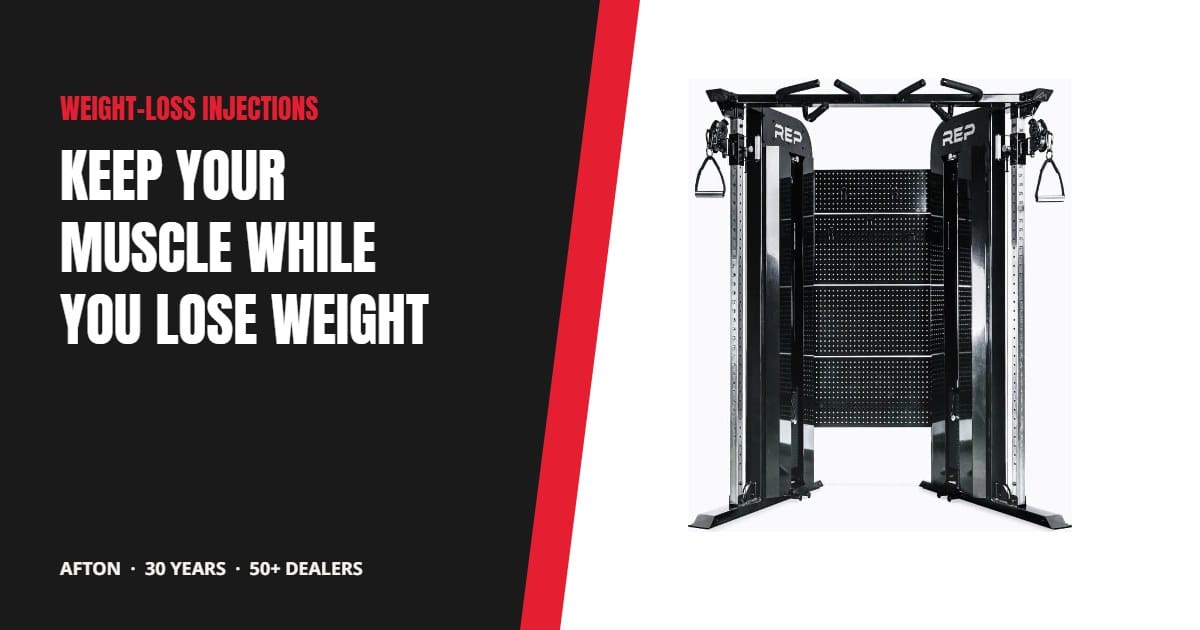
One-arm dumbbell rows, or a lat pulldown and seated row on a cable machine. A functional trainer is one of the most useful machines for a home gym because one compact unit covers dozens of exercises with smooth, adjustable resistance.
4. Hinge
A dumbbell or kettlebell Romanian deadlift teaches you to bend from the hips and strengthens the back of the legs and lower back. Keep the weight light until the movement feels natural.
5. Carry
Hold a weight in each hand and walk for 30 to 40 metres. It builds grip, posture and core strength, and it carries straight over to daily life.
For loading, adjustable dumbbells save a lot of space because one pair replaces a full rack. You will find kettlebells and plates in our weights and kettlebells section.
Machines or free weights?
Both work. If you are new to training, have joint concerns or simply feel more confident with a guided path, selectorised machines are a great place to start. You pick the weight with a pin, the machine guides the movement, and you can progress in small steps. Free weights take a little more practice but give you more variety in less space. Many people do best with a mix: a functional trainer or a couple of machines, plus a pair of dumbbells.
Do not forget the cardio
Strength training protects muscle, and regular aerobic exercise supports your heart and helps with the weekly activity target. Low-impact options are kind to joints, which matters if you are carrying extra weight. A recumbent or upright bike, an elliptical cross trainer or a treadmill set to a brisk walk all work well. Aim for a pace where you can still talk in short sentences.
Track muscle, not just weight
Your bathroom scale tells you how much you weigh. It cannot tell you whether you lost fat or muscle. A body composition analyser estimates muscle mass, body fat and other measures, so you can see whether your training is doing its job. If a couple of months of training show your weight dropping while your muscle holds steady, you are on the right track.
This is why regular body composition checks make so much sense for gyms, physiotherapy clinics and weight-management clinics. Explore our range of BMI machines and body composition analysers for professional use.
A note for gyms and clinics
If you run a gym, a physiotherapy centre or a weight-management clinic, you are likely to see more members who are on these medicines. They need a supervised strength programme, low-impact cardio and regular body composition tracking. A small, well-planned strength corner with a functional trainer, adjustable benches, dumbbells and a body composition analyser can serve them well. Our team and 50+ Afton dealers across India can help you plan the layout, choose the equipment and handle installation.
The bottom line
Weight-loss injections can be a powerful tool. Pair them with regular strength training, enough protein and your doctor's guidance, and you give yourself the best chance of ending up lighter and stronger, not just lighter. Start small, stay consistent and track your progress.
Talk to an Afton expert
Not sure what to choose for your home, gym or clinic? Message us with your city and an Afton expert will help you plan a setup that fits your space and goals.
Chat with us on WhatsApp | Find a store
This article is for general information only and is not medical advice. Please consult your doctor before starting a new exercise programme or changing your diet, particularly if you are taking medication.
Comments (0)

ABOUT THE SHOP
For 30 years, Afton has been building fitness ecosystems across India: home gyms, commercial gyms, physio and rehab centres, Pilates studios, corporate wellness spaces and hotels. We plan the space, choose the right equipment, install it and service it for years after. From treadmills, cross trainers, bikes and rowers to strength machines, racks, free weights, Pilates reformers and rehab equipment, we work with brands we trust, like SOLE, Spirit, Impulse, Xterra and REP. 50+ Afton dealers, expert installation and our own service teams across the country. AFTON. Where fitness gets engineered.
MY STORE
ADDRESS
2nd Floor, Jamaludeen Towers, 4 Montieth Road, Egmore
Chennai
Tamil Nadu - 600008
IN
Leave a Comment